A Smooth Recovery Starts at Home
Whether your dog has undergone orthopedic surgery, ligament repair, fracture treatment, or another procedure, the weeks that follow are just as important as the operation itself.
A calm environment, consistent care, and patience can help your dog recover safely and comfortably.
Here’s a simple week-by-week guide to support your dog’s recovery.
Week 1: Prioritize Rest
The first few days are all about healing.
Focus on:
- Keeping activity to a minimum
- Following your veterinarian’s medication schedule
- Checking the incision daily for redness or swelling
- Preventing licking with an e-collar if recommended
Short bathroom breaks on a leash are usually all that’s needed unless your veterinarian advises otherwise.
Week 2: Build a Routine
As your dog starts feeling better, they may want to move more—but it’s important not to rush.
Continue:
- Controlled leash walks
- Plenty of rest
- Healthy nutrition
- Fresh water at all times
Avoid running, jumping, or climbing stairs whenever possible.
Weeks 3–4: Gentle Movement
If approved by your veterinarian, you may gradually increase activity.
This can include:
- Slightly longer walks
- Gentle range-of-motion exercises
- Light muscle-building activities
Progress should always be slow and controlled.
Weeks 5–8: Regaining Strength
Many dogs begin returning to normal routines during this stage.
Continue monitoring for:
- Limping
- Fatigue
- Swelling after activity
- Reluctance to move
Healing timelines vary depending on the surgery and your dog’s age.
Support Recovery with Proper Nutrition
Healing joints and tissues require good nutrition.
Your veterinarian may recommend nutritional support that includes ingredients such as:
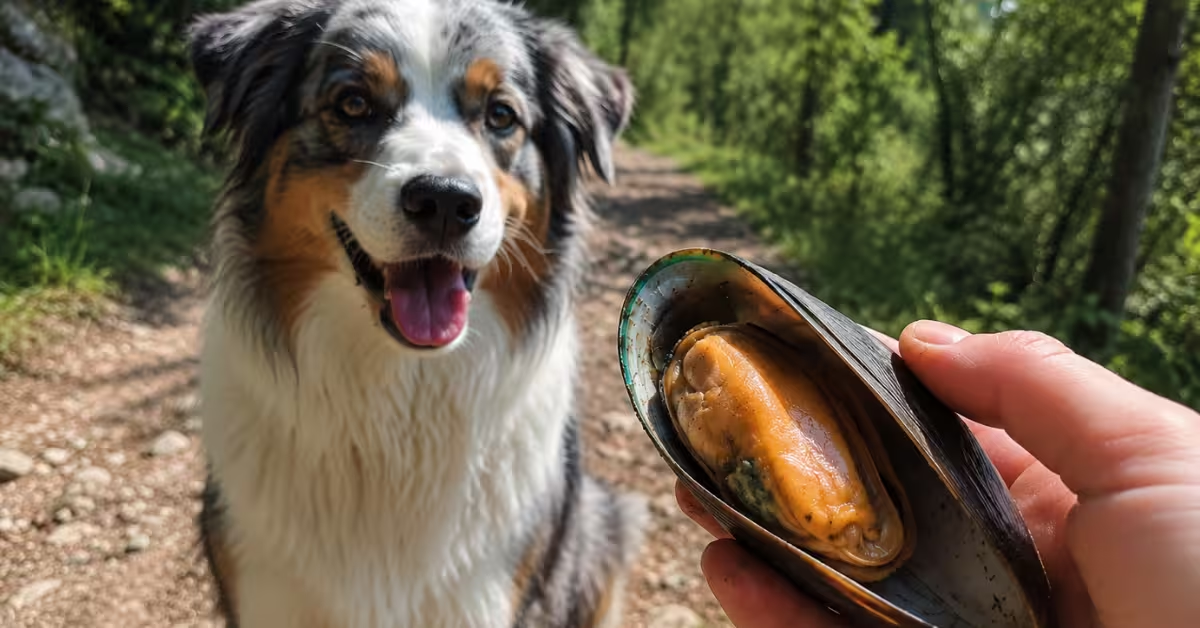
- New Zealand Green-Lipped Mussel
- Glucosamine
- MSM
- Marine omega fatty acids
These ingredients help support normal joint function and mobility during long-term recovery.
Don’t Rush the Process
One of the biggest mistakes owners make is allowing too much activity too soon.
Even if your dog seems energetic, the tissues inside may still be healing.
Following your veterinarian’s recovery plan gives your dog the best chance of returning to an active, comfortable life.
Final Thoughts
Recovery takes time, consistency, and patience.
With proper care, controlled exercise, and ongoing joint support, many dogs return to enjoying walks, playtime, and everyday activities with confidence.

 Skip to content


 Optimized by Seraphinite Accelerator