
 Skip to content
 🔥 FLASH SALE ENDS IN
🔥 FLASH SALE ENDS IN

They take a little longer to get up.
They don’t chase a ball with the same excitement they once did.
They hesitate for a moment before jumping into the car.
They fall a few steps behind on walks and stop to rest more often.
Most owners simply think,
“Well, he’s getting older.”
And that’s true—aging does bring changes.
But those small, almost unnoticeable moments can also be the earliest signs of arthritis, one of the most common chronic joint conditions in dogs.
The good news is that recognizing it early can make a real difference to your dog’s comfort and quality of life. That’s why it’s so important to know what to look for.
Arthritis is the gradual breakdown of the cartilage inside a joint.
Cartilage acts like a cushion between the bones, allowing the joint to move smoothly and comfortably.
As it wears away, movement becomes less fluid. The joint becomes stiffer, inflammation can develop, and your dog may begin to experience pain or discomfort.
This isn’t a condition that appears overnight.
It develops slowly—often over months or even years—which is exactly why it’s so easy to miss in the early stages.
Most dogs don’t suddenly start limping badly.
The changes are usually much more subtle.
You might notice your dog taking a few extra seconds to stand up after a nap. Once they’re moving, they seem almost completely normal.
Some dogs become hesitant about jumping into the car or onto the couch.
Others stop more often during walks or simply aren’t as energetic as they used to be.
Many owners also notice their dog taking the stairs more slowly or avoiding them altogether.
Because these changes happen gradually, they’re easy to overlook. Often it’s only when you look back at photos or videos from a year or two ago that you realize just how much your dog’s movement has changed.
Arthritis can affect any dog, but it’s more common in older dogs and large breeds.
Dogs that have suffered previous joint injuries or have inherited conditions such as hip or elbow dysplasia are also at greater risk.
Body weight plays an important role as well. Every extra pound puts additional stress on the joints, especially if early joint changes have already begun.
If you notice your dog moving differently than usual, it’s worth scheduling a visit with your veterinarian.
They’ll assess your dog’s gait, examine the affected joints, and evaluate their range of motion.
If needed, they may recommend X-rays or other diagnostic tests to confirm the cause of the problem.
Many owners delay making an appointment because their dog is still eating well, wagging their tail, and enjoying walks.
But dogs are remarkably good at hiding pain.
Just because they aren’t crying or whining doesn’t mean they’re comfortable.
Unfortunately, no.
Once cartilage has worn away, it can’t be restored to its original condition.
That doesn’t mean your dog can’t be helped.
With the right combination of regular exercise, maintaining a healthy weight, veterinary care, and long-term joint support, many dogs continue to enjoy active, happy lives for years after diagnosis.
The goal isn’t just to reduce pain.
It’s to help preserve mobility for as long as possible.
If you suspect your dog is beginning to develop joint problems, don’t wait until they become more severe.
Keeping your dog at a healthy weight is one of the most important things you can do. Avoid sudden bursts of intense activity, and instead aim for regular, moderate exercise. Long weekend hikes after weeks of little activity are rarely kind to aging joints.
Daily walks—even if they’re a little shorter—are usually a much better approach.
Simple changes at home can also make life easier.
A supportive orthopedic bed, non-slip rugs on slippery floors, or a ramp to help your dog get into the car can all reduce unnecessary strain on painful joints.
Many owners also choose to add a joint supplement to their dog’s daily routine.
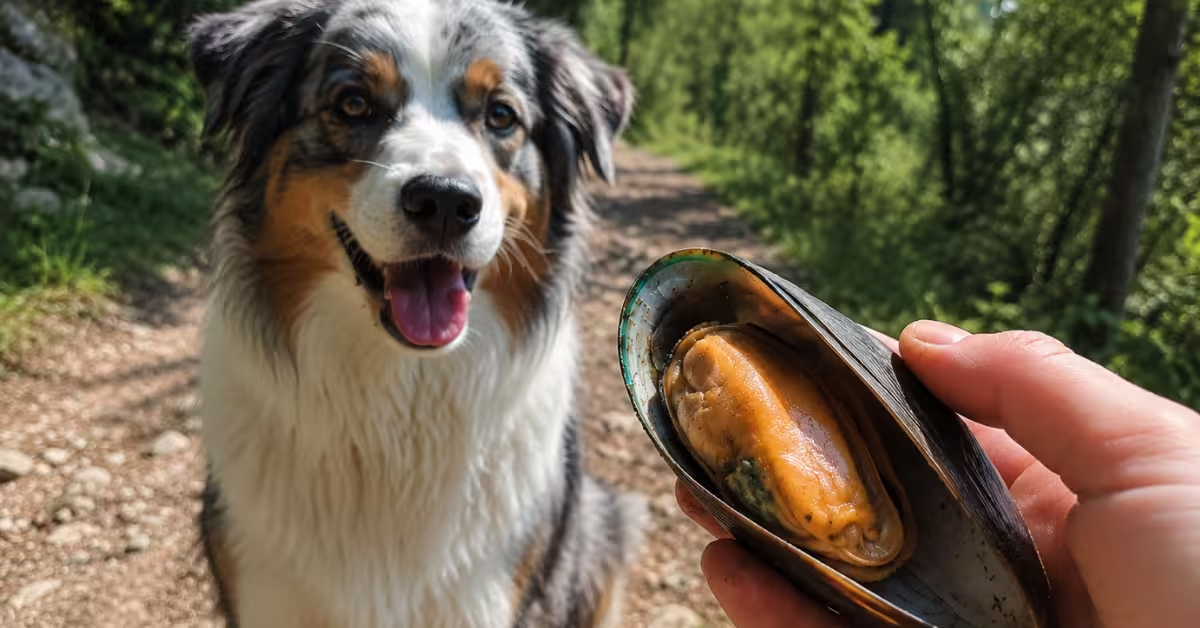
When comparing products, it’s worth looking beyond the label. Pay attention to the ingredients, their quality, and where they come from. One of the best-researched natural ingredients for canine joint health is New Zealand Green-Lipped Mussel oil (Perna canaliculus), which has been used for many years to support healthy joints in dogs.
Arthritis shouldn’t simply be accepted as an unavoidable part of getting older.
The earlier it’s recognized, the more opportunities there are to help your dog stay comfortable, mobile, and active.
If you’ve noticed your dog taking longer to stand up, jumping less often, struggling with stairs, or tiring more quickly on walks, it’s worth having a conversation with your veterinarian.
It may simply be age.
Or it may be your dog quietly telling you that their joints need a little more support.


 Optimized by Seraphinite Accelerator